

Classic peppercorn steak sauce is a pan sauce built on butter, shallots, brandy, beef stock, cream, and coarsely cracked peppercorns, reduced until it coats the back of a spoon in about 15 minutes. This 2026 guide covers the base recipe, the three main variations cooks actually use, and the one step — the pepper grind — that most home versions skip and end up bitter instead of textured.
- Classic peppercorn sauce recipe: butter, shallot, brandy, beef stock, heavy cream, and coarsely cracked black peppercorns reduced to coat a spoon.
- The cream-based version (sauce au poivre) is the most forgiving for a first attempt; the stock-only version reduces faster but breaks more easily.
- Crack the peppercorns coarse on a pepper mill set to its widest grind — pre-ground pepper turns the sauce gritty and bitter instead of textured.
- Deglaze with brandy or cognac off the heat; flambeing is a restaurant flourish, not a requirement for the sauce to set.
Why this matters
Peppercorn sauce is one of the few steakhouse sauces that holds up in a home kitchen in 2026, mostly because it's built in the same skillet the steak just cooked in — no separate saucepan, no extra dishes. Most home versions that go wrong do it in one of two places: pre-ground pepper that turns bitter under high heat, or a rushed reduction that leaves the sauce thin and split.
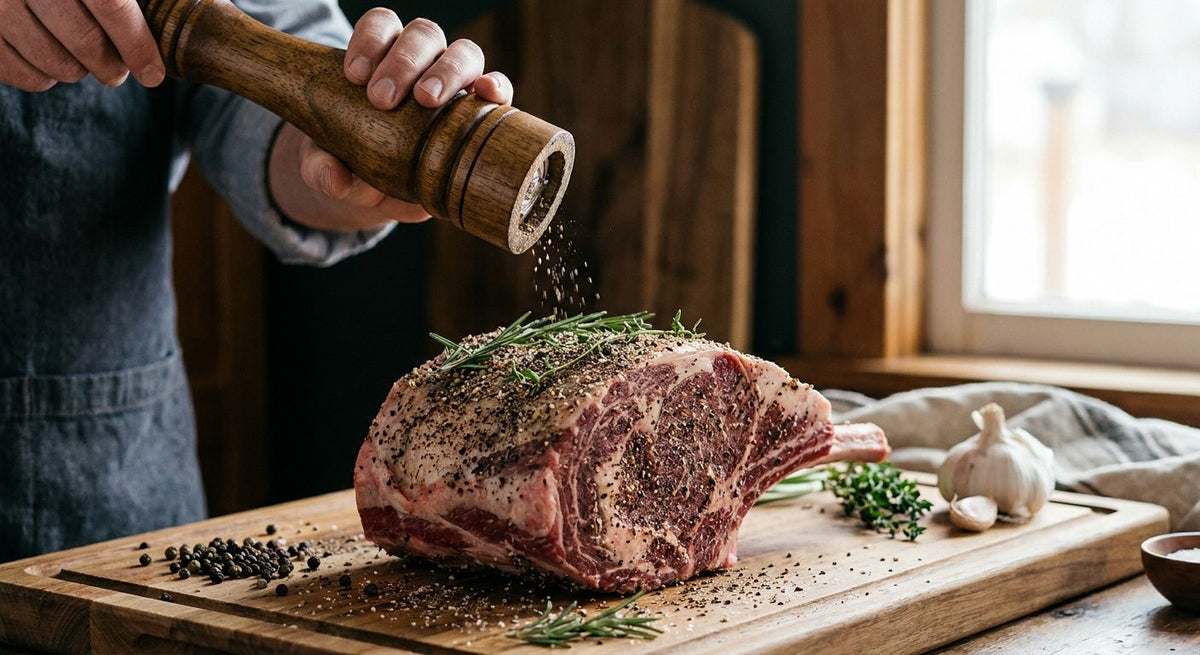
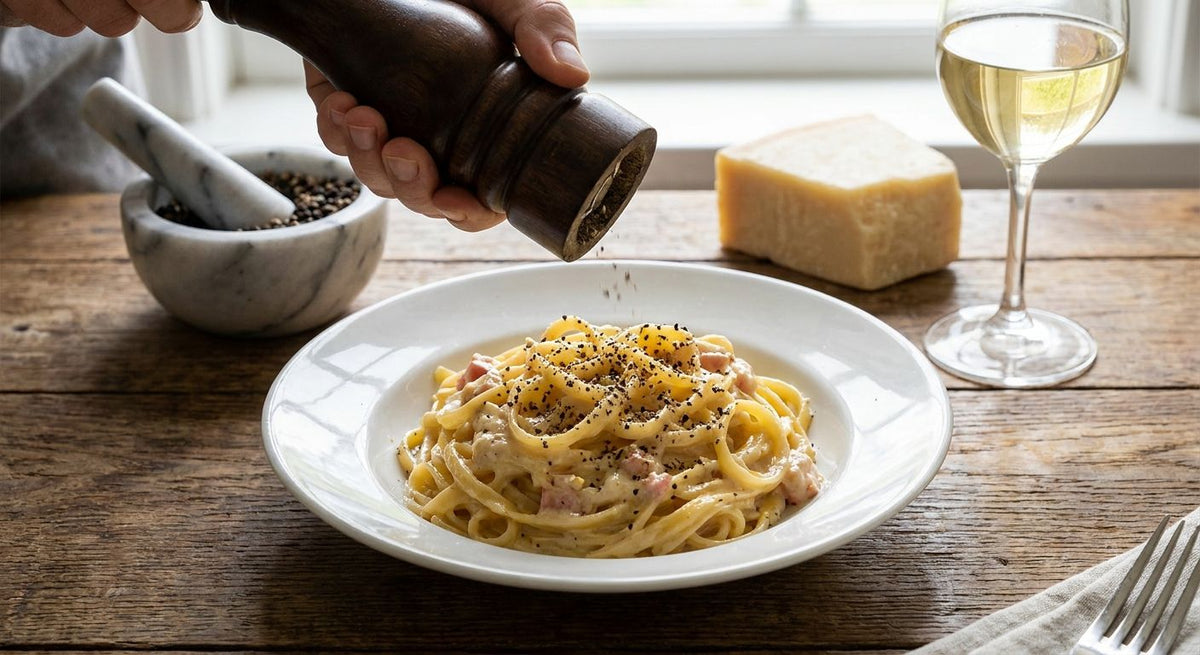
Coarse, freshly cracked pepper is doing more work in this recipe than most versions admit. It's the difference between a sauce with actual bite and texture and one that tastes like black pepper was an afterthought stirred in at the end. A Peppermate pepper mill set to its coarsest grind gets you there in one pass over the pan, no mortar and pestle required.
How do you make a classic peppercorn steak sauce?
Peppercorn steak sauce comes together in the same skillet you seared the steak in, using the browned bits left in the pan as the flavor base. This is the version that works for a standard two-steak dinner in 2026 home kitchens, no restaurant equipment needed.
| Ingredient | Amount | Role |
|---|---|---|
| Butter | 3 tbsp, divided | Base and finishing gloss |
| Shallot, minced | 1 small | Sweetness and body |
| Coarsely cracked black peppercorns | 2 tbsp | The sauce's signature bite |
| Brandy or cognac | 1/4 cup | Deglazes the pan, adds depth |
| Beef stock | 3/4 cup | Reduces into the sauce base |
| Heavy cream | 1/2 cup | Rounds out the pepper heat |
| Salt | To taste | Balances the reduction |
- Rest the steak on a plate and keep the skillet on medium heat with the drippings intact — don't wipe the pan.
- Melt 1 tablespoon of butter, add the minced shallot, and cook 1-2 minutes until soft and translucent.
- Add the cracked peppercorns and toast them in the butter for 30 seconds until fragrant.
- Pull the pan off the heat, pour in the brandy, then return it to medium heat and reduce by half, about 2 minutes.
- Add the beef stock and simmer until reduced by roughly half, 4-5 minutes.
- Stir in the cream and simmer gently until the sauce coats the back of a spoon, another 3-4 minutes.
- Off the heat, swirl in the remaining butter and season with salt. Spoon over the rested steak immediately.
“If the sauce runs off the back of a spoon, keep reducing it — it isn't done yet.”
The cracked peppercorns are non-negotiable — pre-ground pepper from a shaker turns bitter the moment it hits hot butter, and it's the single most common reason a homemade version tastes flat next to a restaurant one. Set a traditional pepper mill to its coarsest setting and grind straight into the pan. You want visible flecks of pepper, not powder.
Sauce au poivre: the classic French version
This is the original — stock and butter only, no cream, finished with a sharper edge from the reduced brandy and pepper. It's the version most steakhouse menus mean when they list "peppercorn crust" alongside a pan sauce. For the full restaurant treatment, pair this sauce with a classic steak au poivre crust, where the cracked peppercorns get pressed onto the steak before searing, then the same pan builds the sauce afterward.
Best for: a steakhouse-style dinner without heavy cream. Skip if you want a softer, less peppery finish.
Cream-based peppercorn sauce: the easiest version for beginners
Adding cream after the stock reduces buffers the pepper's heat and makes the sauce far harder to break, which is why most home recipes default to this version. It's more forgiving of an extra minute on the heat and holds its texture better if you're plating for guests.
Best for: first-time cooks and anyone serving a crowd. Skip if you're avoiding dairy.
Dairy-free peppercorn pan sauce
Swap the 1/2 cup of cream for an extra 1/4 cup of beef stock, and finish with a small spoonful of Dijon mustard for body instead of fat. The result is sharper and more pepper-forward, closer to a French jus than a steakhouse sauce, but it still coats the steak.
Best for: dairy-free diets. Skip if you specifically want the rounded, mellow flavor cream gives.
Why peppercorn sauce flavor varies
- Peppercorn grind: coarse cracked pepper gives bite and visible texture; fine ground pepper turns bitter and muddy once it hits hot fat.
- Peppercorn variety: Tellicherry peppercorns run more citrus and floral than standard black pepper, which changes the sauce's finish noticeably.
- Deglazing liquid: brandy and cognac read sweeter; dry sherry or red wine read sharper and more acidic.
- Stock quality: a low-sodium, gelatin-rich beef stock reduces into a glossier sauce than a thin boxed stock.
- Reduction time: a sauce reduced past the point of coating a spoon turns greasy as the butter starts to separate.
- Cream vs. no cream: cream buffers the pepper's heat; a stock-only reduction stays sharper, thinner, and more pepper-forward.
Can you make peppercorn sauce without cream?
Yes, peppercorn sauce works without cream — swap the 1/2 cup cream for an extra 1/4 cup beef stock and finish with butter for body. The result tastes sharper and more pepper-forward instead of rounded, closer to a classic French jus.
What's the difference between peppercorn sauce and au poivre?
Sauce au poivre is simply the French name for peppercorn sauce, made in the same pan as a seared steak with cracked pepper, brandy, and often cream. The names describe the same dish; "au poivre" technically refers to the crust of cracked pepper pressed into the steak before it's seared, with the pan sauce built afterward.
How long does peppercorn sauce keep in the fridge?
Peppercorn sauce keeps 3 to 4 days in the fridge in a sealed container, in line with general food-safety guidance for cooked cream-based sauces. Reheat it gently over low heat, since cream sauces can separate if they hit a rolling boil.
FAQ
What's the best pepper mill for making peppercorn sauce?
A pepper mill with an adjustable coarse setting is best for peppercorn sauce, since the sauce needs cracked, not powdered, pepper for texture and bite. Look for a mill you can set to its widest grind rather than one built only for fine table pepper.
Is peppercorn sauce the same as au poivre?
Peppercorn sauce and sauce au poivre are the same dish; au poivre is the French name for the cracked-pepper crust and pan sauce combination. Both use butter, brandy, cream, and coarsely cracked peppercorns reduced in the searing pan.
Can you use pre-ground pepper for peppercorn sauce?
Pre-ground pepper works in a pinch, but it turns bitter faster than coarsely cracked pepper because more surface area hits the hot butter at once. Cracking whole peppercorns fresh, even coarsely with a knife, gives a noticeably better result.
How much brandy do you need for peppercorn sauce?
A classic peppercorn sauce recipe uses about 1/4 cup of brandy or cognac to deglaze the pan for a two-steak serving. Most of the alcohol cooks off during the reduction, leaving the flavor without the burn.
Does peppercorn sauce need cream?
No, peppercorn sauce doesn't need cream — the classic French version is built on stock and butter alone. Cream is a common addition that softens the pepper's heat and gives the sauce a rounder finish.
What steak cuts pair best with peppercorn sauce?
Filet mignon and New York strip pair best with peppercorn sauce because their milder beef flavor doesn't compete with the pepper. Ribeye works too, though its own fat can make the finished dish rich.
How do you keep peppercorn sauce from breaking?
Keep peppercorn sauce from breaking by adding the cream after the stock has already reduced, then simmering gently instead of boiling. A rolling boil after the cream goes in is the most common reason the sauce separates.
Can you make peppercorn sauce ahead of time?
Yes, peppercorn sauce can be made up to a day ahead and reheated gently over low heat before serving. Avoid reheating it in the same pan you plan to sear a new steak in, since residual fond can scorch.
One last thing
Tellicherry peppercorns — the large, fully ripened black peppercorns most steakhouse kitchens reach for — carry more citrus and floral notes than standard black pepper, and they hold up better once cracked coarse and hit with heat. If a batch of peppercorn sauce tastes flat in 2026, the pepper is usually the reason, not the cream or the brandy. Buy whole peppercorns and grind them the day you cook: pepper loses its aromatic oils within weeks of grinding, long before the jar looks empty.