

Grilled meats reward the cook who thinks about spice before the fire is even lit. Pair the wrong blend with the wrong cut and you get a burnt, muddy crust; pair the right one and every bite tastes intentional.
- Match spice blends for grilled meats to fat content first: fatty cuts want heat and acid, lean cuts want salt and umami.
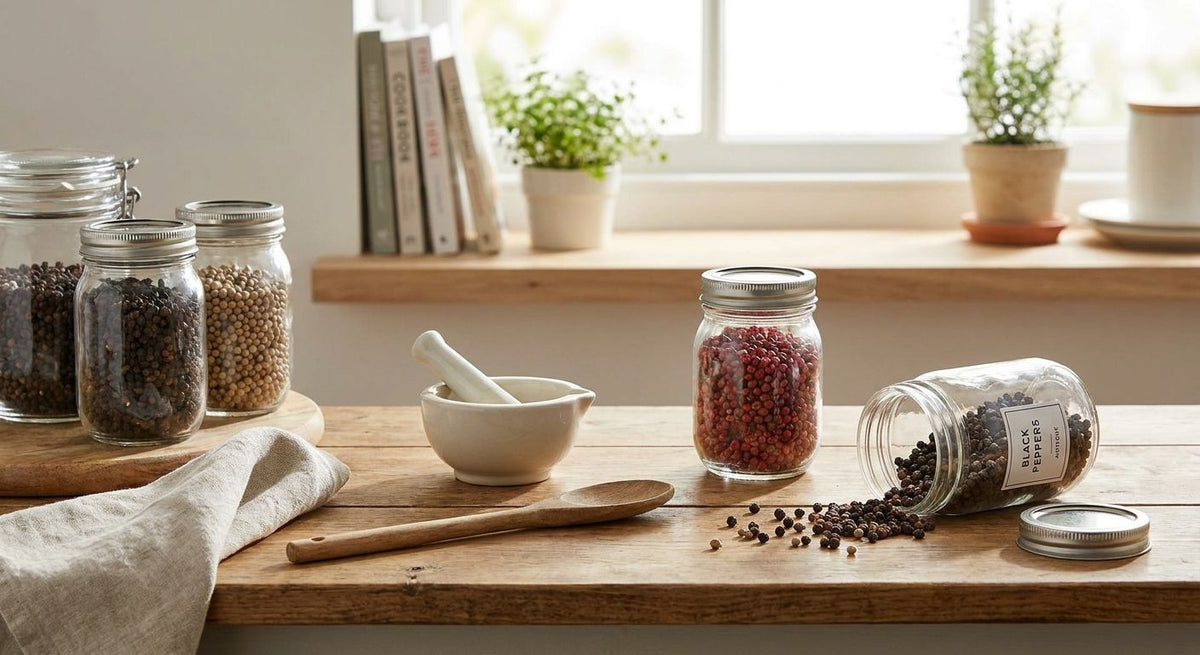
- Coarse-ground pepper and salt survive high grill heat better than pre-ground jars — buy a mill, not a shaker, for 2026 cookouts.
- Adobo works on pork and chicken, American BBQ rubs work on beef and ribs, smoked pepper works on almost everything.
- Season 40 minutes before grilling for dry rubs, 5 minutes before for wet pastes — timing changes the crust.
- A $74.99 spice gift set with 22 blends beats buying six single jars if you grill more than once a month.
Why this matters
Most home cooks treat spice blends like an afterthought — a shake before the meat hits the grate. That's backwards. Grilled meat spends 8 to 20 minutes over direct heat, and everything you put on the surface either burns, dissolves, or forms a crust in that window.
Getting the pairing wrong wastes good meat. A delicate citrus-and-herb blend disappears on a thick ribeye; a heavy smoked BBQ rub overwhelms a butterflied chicken breast. In 2026, with grilling gear and specialty spice blends more accessible than ever, there's no reason to guess.
What you'll need
- A pepper mill for coarse, fresh-ground pepper (pre-ground jars lose aroma fast and burn unevenly)
- Kosher or coarse sea salt, separate from your pepper
- 2-3 spice blends matched to your protein (BBQ rub, adobo, five-spice, or a citrus herb mix)
- A small bowl for mixing rubs with oil if you're making a paste
- Tongs and a thermometer — not spice-related, but you'll ruin good seasoning by overcooking anyway
- Heat-resistant gloves if you're working close to coals or a smoker
- 30-40 minutes of lead time before the meat goes on the grill
The PepperMate Traditional Pepper Mill handles the pepper half of nearly every blend below — it's a one-hand crank that produces coarse or fine grind depending on how far you twist the base, which matters more than most cooks realize when building a crust.
The steps
1. Identify your cut's fat content first
Fat is the variable that decides how bold you can go. A brisket or pork shoulder can carry a heavy, sugar-forward BBQ rub because the fat renders slowly and buffers the sweetness. A lean cut like flank steak or chicken breast burns fast and needs a lighter hand — salt, pepper, and one accent spice, nothing more.
Rule of thumb: the fattier the cut, the more spice blend it can absorb without tasting muddy. Skip this step and you'll oversalt a skirt steak or underseason a pork butt.
2. Pick a blend built for the flavor direction, not just the protein
Think in cuisines, not just cuts. An American BBQ spice blend for smokers and grills built on paprika, brown sugar, and cracked pepper reads as classic cookout flavor on ribs, brisket, and pulled pork. Adobo seasoning, built on garlic, oregano, and citrus notes, pulls chicken and pork toward a Mexican-style grill profile instead.
Five-spice blends (star anise, clove, cinnamon, fennel, pepper) work on pork belly and duck. Berbere, an Ethiopian blend built on chile and warm spice, works surprisingly well on grilled lamb and beef short ribs. Match the direction before you touch the meat.
3. Salt early, spice blend late
Salt at least 40 minutes before grilling — it draws moisture out, then the meat reabsorbs a seasoned brine, which improves texture all the way through. Apply the actual spice blend closer to grill time, 10-15 minutes out, so sugars and delicate aromatics don't sit long enough to clump or go bitter.
This two-stage approach solves the most common home-grilling mistake: dumping salt and spice on together and wondering why the crust tastes flat.
4. Grind pepper coarse for anything over direct heat
Fine-ground pepper scorches in under 3 minutes on a hot grate and turns acrid. Coarse-ground pepper — the kind a mill produces, not a pre-ground shaker — survives longer and builds the cracked, textured crust steakhouses are known for.
For a reference on getting that texture right, cracked black pepper for the perfect steak crust breaks down how grind size changes crust formation on a ribeye or strip.
5. Build a paste for anything you're grilling low and slow
Dry rubs work over direct high heat. For low-and-slow cooks — pork shoulder over indirect heat, a whole chicken on a rotisserie — mix your spice blend with oil, garlic, and a splash of vinegar into a wet paste. It clings longer over a 2-4 hour cook and doesn't fall off when you flip.


6. Rest the meat before you judge the seasoning
A rested steak or chop reabsorbs juices and the spice crust settles into the surface instead of sitting on top of it. Pull the meat 5-10 minutes before you'd normally serve it and let it sit loosely tented. Cutting immediately makes even a well-seasoned cut taste underseasoned, because the juice runs out with the flavor still riding on top.
7. Pair the plate, not just the meat
Spice blend choices don't stop at the grill grate. A condiment on the side can either extend the flavor direction or clash with it. Global grilling traditions lean on bold, acidic sides for exactly this reason — a spicy chicken pickle alongside a smoky, chile-forward grilled chicken thigh works because the vinegar and heat both point the same direction as the rub. Matching your side dishes to your spice blend the same way you match the blend to the cut rounds out the meal instead of fighting it.
Troubleshooting
Rub tastes bitter after grilling. You likely used pre-ground pepper or spice with sugar over direct high heat too early. Switch to coarse-ground pepper and apply sugary rubs closer to grill time, or move to indirect heat for the last few minutes.
Crust won't form. The surface was too wet when the spice went on. Pat the meat dry with a paper towel before applying any rub or paste — moisture steams the crust instead of searing it.
Blend tastes flat despite heavy seasoning. You skipped the two-stage salt-then-spice step. Salt does the work that spice blends can't; without it, even 22-ingredient rubs taste one-dimensional.
Chicken breast tastes overseasoned and bitter at the edges. Lean, thin cuts need less blend, not more. Cut your usual quantity by a third on chicken breast, flank steak, and other quick-cooking lean cuts.
Spice blend clumps or won't stick. Add a light oil coat before the rub — even a teaspoon per cut gives the spice something to bind to, especially on drier cuts like pork loin.
Tools and resources
- Coarse Salt Pepper Garlic Blend, 1lb — a ready-mixed base for quick weeknight grilling
- A pepper mill set to coarse grind for crust-building on steaks and chops
- Adobo seasoning for Mexican-style grilling — a deeper breakdown of that blend on pork and chicken
- A meat thermometer, kept separate from your spice kit but non-negotiable for judging doneness before you judge seasoning
What to do next
Once you've got the pairing logic down, the next variable is the salt itself — not all coarse salt behaves the same way in a mill or on a hot grate. Best salt for grinding: how to pick the right one walks through grain size and mineral content, both of which change how a rub performs over 2026's grilling season.
FAQ
What's the best spice blend for grilled steak?
Coarse-ground black pepper and kosher salt applied in two stages, salt 40 minutes early and pepper 10-15 minutes before grilling, builds the strongest crust on steak. Add a smoked pepper or American BBQ blend for extra depth on thicker cuts.
Is a dry rub better than a marinade for grilled meats?
Dry rubs build a better crust over direct high heat, while marinades and wet pastes work better for low-and-slow or indirect grilling. Use dry rubs on steaks and chops, wet pastes on shoulder cuts and whole birds.
How much does a quality spice blend cost in 2026?
Single spice blends typically run $9.99 to $14.99 for a 2 oz jar in 2026, while curated multi-spice gift sets with 20+ blends run around $74.99. Buying a set works out cheaper per-blend if you grill regularly.
Should I season chicken and beef with the same spice blend?
No — lean chicken breast needs a lighter hand and milder blends like adobo, while fattier beef cuts can carry heavier BBQ rubs and smoked pepper without tasting muddy. Fat content, not just protein type, decides how bold a blend can be.
Does pre-ground pepper work for grilling?
Pre-ground pepper burns faster and tastes flatter than coarse pepper straight from a mill, especially over direct grill heat. Fresh-ground pepper from a mill holds its aroma and builds a better crust in 2026 grilling tests done by home cooks and pitmasters alike.
What spice blend works best on pork?
Five-spice blends and adobo seasoning both work well on pork, especially shoulder and belly cuts with enough fat to carry bold flavor. Apply as a wet paste for slow cooks, dry rub for quick grilling.
How long before grilling should I season meat?
Salt the meat at least 40 minutes before grilling to let it reabsorb a seasoned brine. Apply the spice blend itself 10-15 minutes before it hits the grate so sugars and aromatics don't burn or clump.
Can one spice blend work across multiple grilled meats?
A well-built American BBQ blend or coarse salt-pepper-garlic mix works across beef, pork, and chicken without major adjustment. Delicate blends like berbere or five-spice are more cut-specific and work best matched to a particular protein.
One last thing
The cooks who get the most out of spice blends aren't the ones with the biggest spice rack — they're the ones who grind their pepper fresh right before it hits the grate. A jar of pre-ground pepper loses most of its aromatic oil within weeks of grinding; a mill produces that same pepper seconds before it lands on the meat. That single habit change does more for grilled meat flavor in 2026 than swapping which rub you buy.