

A pepper crusted pastrami rub is a coarse 1:1 blend of cracked black pepper and cracked coriander seed, pressed onto brined brisket before it's smoked or steamed, and that ratio has stayed nearly unchanged since New York deli pastrami became a category of its own. The part most home cooks skip is the crack size: pepper ground fine falls off during cooking, while pepper cracked to roughly a match-head size bonds into a crust that survives hours of heat.
Curing and rubbing are two different jobs, and mixing them up is why a lot of homemade pastrami tastes like peppery pot roast instead of deli pastrami. The cure (salt, sugar, curing salt) happens first, over days, in a brine. The PepperMate Traditional Pepper Mill does the second job — cracking pepper coarse enough to hold a crust — right before the meat goes into the smoker.
- A pepper crusted pastrami rub is a 1:1 coarse cracked black pepper and coriander mix pressed on after a 5-10 day brine cure.
- Cracked pepper — not ground — is what holds a crust through hours of smoking in 2026 test kitchens and deli recipes alike.
- Curing (salt and time) and rubbing (pepper and coriander) are separate steps; skipping the cure gets you a peppery roast, not pastrami.
- A hand mill set to a coarse grind beats pre-cracked jarred pepper because the oils haven't oxidized yet.
Why This Matters
Most pastrami recipes online in 2026 either skip the cure entirely or use pepper that's ground too fine to survive the smoker. Both mistakes are fixable with the same two tools: a proper cure timeline and a mill that cracks pepper coarse instead of grinding it to dust.
The difference shows up in the bark. Restaurant-style pastrami has a crust you can see and bite through — a texture that comes almost entirely from pepper particle size, not from more pepper. Get the crack size right and a home smoker or oven can produce a crust close to what a deli counter serves.
How to Cure and Rub Meats with Cracked Pepper
Curing and rubbing meat with cracked pepper follows the same sequence whether you're working a brisket, a round, or a smaller cut like pork belly.
- Brine the meat. Submerge the cut in a salt-and-curing-salt brine for 5 to 10 days in the refrigerator, depending on thickness — this is the step that actually cures the meat and gives it the classic pink interior.
- Rinse and dry. Pull the meat from the brine, rinse off surface salt, and pat it fully dry. A wet surface won't hold a pepper crust.
- Crack the pepper coarse. Set a mill to its coarsest grind and crack whole peppercorns fresh — pre-ground pepper from a shaker is too fine and too stale for a crust that has to survive hours of heat.
- Mix the crust. Combine cracked black pepper with cracked coriander seed in equal parts by volume; this is the classic pastrami ratio and it works on other cuts too.
- Press, don't sprinkle. Coat the meat heavily and press the crust in with your palms so it adheres instead of falling off in the smoker.
- Smoke or steam low and slow. Cook at low heat until the internal temperature hits the target for the cut — the crust darkens but should stay intact if the pepper was cracked coarse enough.
Pepper Crusted Pastrami Rub: Ratio and Technique
The classic pepper crusted pastrami rub is equal parts cracked black pepper and cracked coriander seed by volume, applied heavy enough to fully cover the surface of a brined brisket. This ratio is what separates deli-style pastrami from a peppered roast — it's not about more pepper, it's about the pepper-to-coriander balance and the crack size.
| Element | What it does | Common mistake |
|---|---|---|
| Cracked black pepper | Builds the visible crust and the sharp bite | Using pre-ground pepper that's too fine to hold |
| Cracked coriander | Adds a citrus-forward note that balances the pepper's heat | Skipping it and using pepper alone |
| Curing step (before rub) | Gives pastrami its texture and pink ring | Applying the rub without curing first |
| Coarse grind setting | Lets the crust survive hours of smoke or steam | Grinding fine, which burns and falls off |
Verdict: a fresh-cracked, coarse 1:1 pepper-coriander mix pressed onto cured brisket is the pepper crusted pastrami rub that holds up in a home smoker in 2026, and pre-ground pepper from a shaker is the single most common reason a homemade crust fails.
For the pepper itself, whole black peppercorns cracked fresh right before the rub goes on carry more of the volatile oils that give a crust its aroma — pepper that's already ground loses that punch within weeks of grinding.
Why Cracked Pepper Works Better Than Ground Pepper for a Crust
A handful of factors decide whether a pepper crust holds up through hours of cook time or turns into ash on the smoker floor:
- Particle size — coarse pepper particles (roughly a match-head size) mesh together and resist falling off; fine pepper burns and flakes away.
- Freshness — pepper loses aromatic oils within weeks of grinding, so a mill that cracks pepper on demand beats a pre-ground jar every time.
- Moisture on the surface — meat that isn't fully dried won't hold a dry crust; the rub slides off during the first hour of cooking.
- Cook temperature — low, slow heat (smoking or steaming) lets the crust set without scorching; high, fast heat torches coarse pepper before it bonds.
- Coriander ratio — too little coriander and the crust tastes one-note hot; too much and it loses the peppery bite that defines pastrami.
- Handling — pressing the rub in with your palms bonds it to the surface far better than sprinkling it on.
“If you can shake it through a spice jar, it's too fine to hold a pastrami crust.”
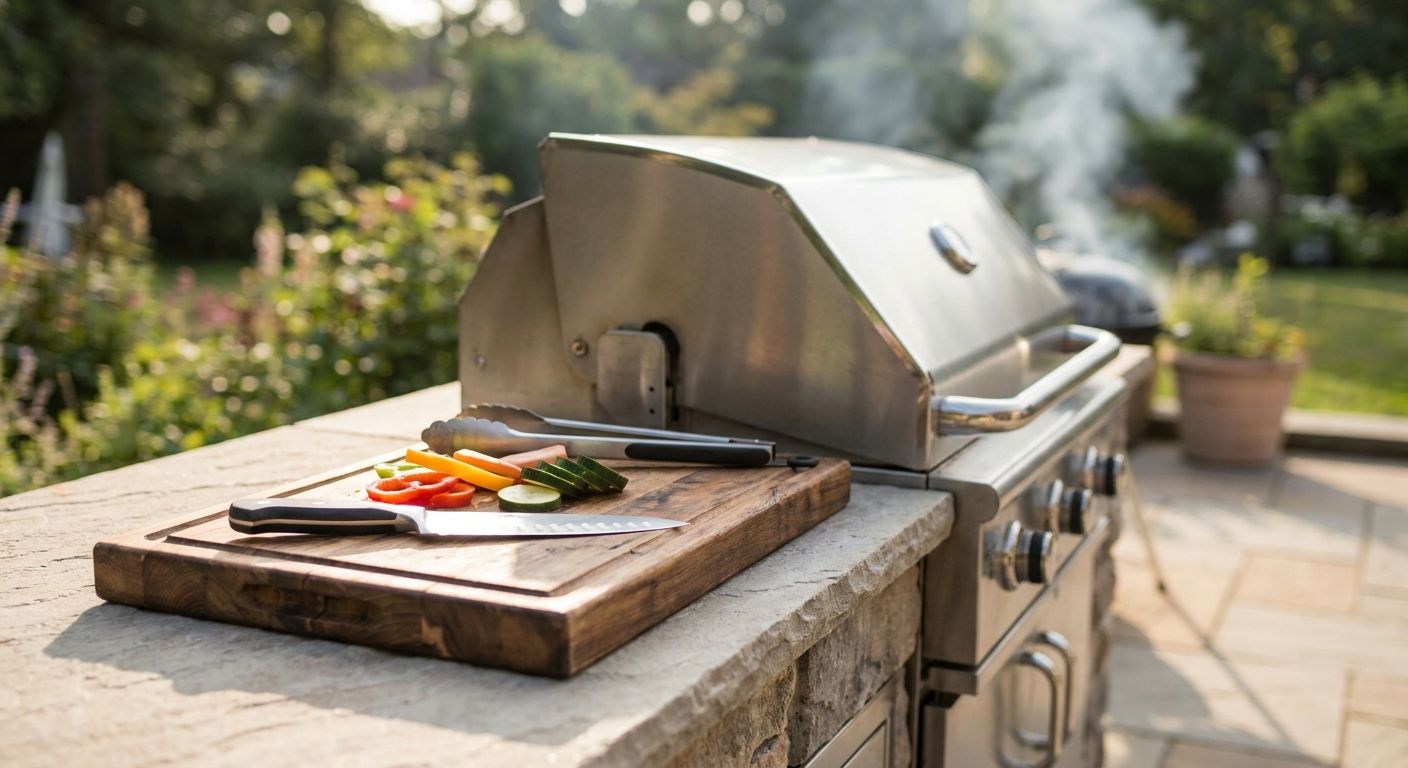
Handling a hot brisket straight off the smoker to press or re-crust it is where a lot of home cooks get burned — literally. A pair of disposable BBQ gloves with heat-protection liners makes it possible to handle the meat while it's still hot enough to reapply crust or check the bark without waiting for it to cool and lose heat.


How much cracked pepper do you need for a pastrami crust?
A full brisket-sized crust takes enough cracked pepper to heavily coat every exposed surface, roughly one part pepper to one part coriander by volume — there's no fixed weight because coverage depends on the size of the cut. Under-coating is the more common mistake; a thin dusting won't build the bark deli pastrami is known for.
Do you need curing salt if you're just rubbing, not curing?
No — curing salt is only needed if you're actually curing the meat over several days for that classic pink interior and pastrami texture. A same-day pepper crust on a roast or steak skips curing salt entirely and is just a rub, which is a different (and much faster) dish than true pastrami.
Can you use the same rub on steak instead of brisket?
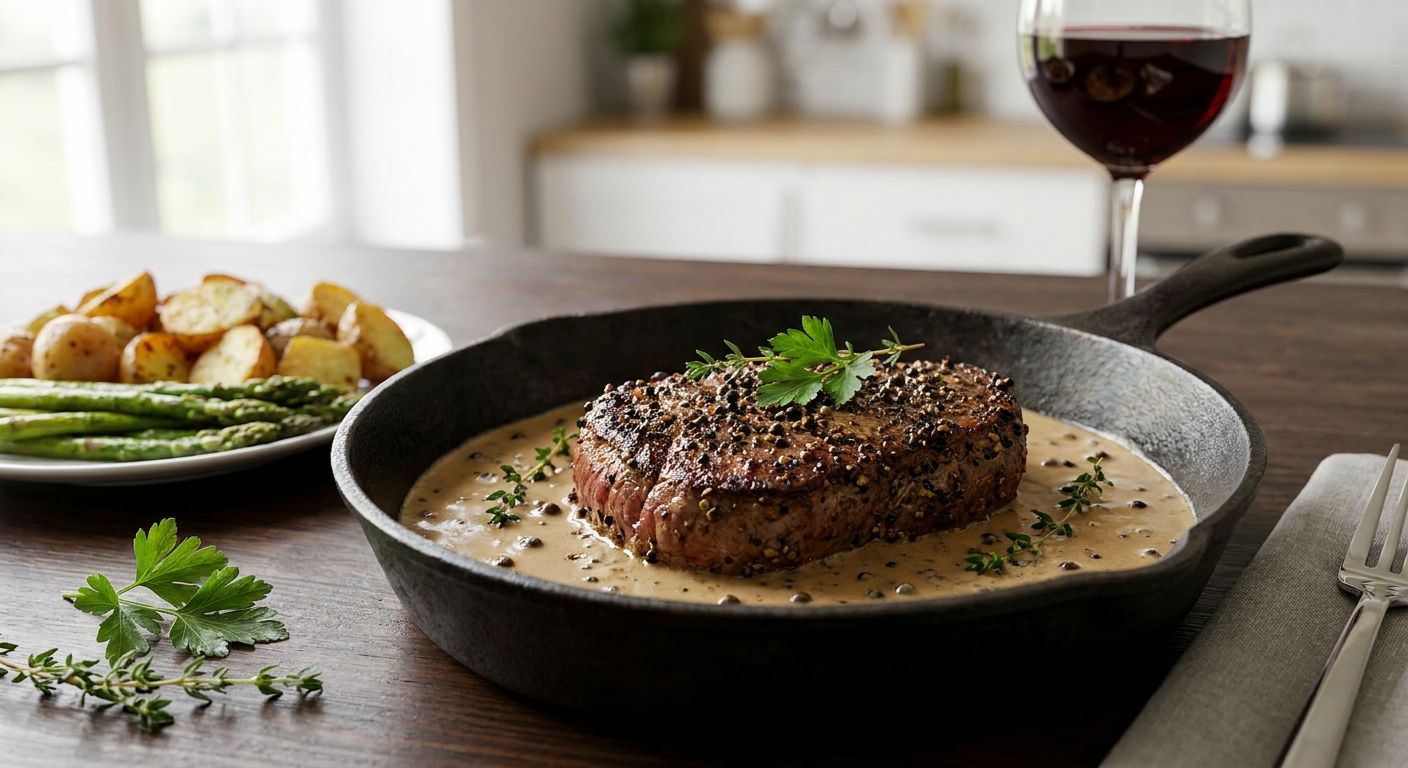
Yes — the same coarse black pepper and coriander crust works on steak, most notably in steak au poivre, though steak doesn't need the multi-day cure that pastrami requires. The technique for cracking pepper coarse and pressing it into the surface is identical either way.
FAQ
What is a pepper crusted pastrami rub made of?
A pepper crusted pastrami rub is a 1:1 mix of coarsely cracked black pepper and cracked coriander seed, pressed onto brined brisket before smoking. The coarse crack size is what lets the crust survive hours of cooking without burning off.
How long do you cure meat before adding a pepper crust?
Meat cures in a salt brine for 5 to 10 days before the pepper crust goes on, depending on the thickness of the cut. The crust itself is applied after curing, right before smoking or steaming.
Is ground pepper okay for a pastrami rub?
No, finely ground pepper burns and flakes off during long cook times instead of holding a crust. Coarsely cracked pepper, roughly the size of a match head, is what stays on the meat.
Do you need a special pepper mill to crack pepper for rubs?
A mill with an adjustable coarse setting works best, since it lets you crack pepper fresh right before applying the rub instead of using pre-ground pepper that's lost its aroma. Freshness matters more for a crust than for everyday table pepper.
What's the difference between curing and rubbing meat?
Curing uses salt, sugar, and time (days in a brine) to change the texture and color of the meat, while rubbing is a surface coating of spices like cracked pepper applied right before cooking. Pastrami uses both steps in sequence, cure first, then rub.
Can you make a pepper crust without coriander?
Yes, a pepper-only crust works fine for steak or other cuts, but it won't taste like traditional pastrami, which relies on the coriander for its citrus-forward balance. The 1:1 pepper-coriander ratio is what defines the pastrami style specifically.
Why does my pepper crust fall off during smoking?
A crust falls off most often because the pepper was ground too fine or the meat's surface was still damp when the rub went on. Coarse pepper pressed into a fully dried surface holds through hours of low, slow heat.
One Last Thing
The part most recipes leave out: pepper cracked more than a day or two before use has already lost a noticeable share of its aromatic punch, which is why deli pastrami tastes sharper than home versions made with a jar of pre-cracked pepper bought weeks earlier. Crack it the same day, right before the rub goes on the meat, and the crust carries a lot more of that peppery bite in 2026 than anything pre-ground on a store shelf.