

Fresh ginger and garlic turn a flat weeknight dish into something worth plating, but only if you can mince them fast without turning your knuckles into a side ingredient. This guide breaks down what actually holds up to sticky ginger fiber and papery garlic skins in a 2026 home kitchen, and which tools look right on a shelf but fail at the cutting board.
- Superior Chef Jumbo Garlic and Ginger Press handles both ingredients in one tool for $27.99 in 2026 — buy it.
- A real grater for ginger and garlic needs fine, sharp teeth, not the flat cheese-grater holes most kitchens already own.
- Superior Chef Flat Fine Slot Grater turns ginger into paste and doubles as a zester — buy it.
- Skip narrow-mesh garlic presses and standard box graters; ginger fiber jams both within a week of regular use.
Why this matters
Ginger and garlic behave nothing alike under a blade, which is exactly why one tool rarely does both well. Garlic is dense and dry until it's crushed; ginger is wet, stringy, and full of fiber that catches on coarse teeth and turns into shredded thread instead of paste. Buy the wrong grater and you'll spend more time picking fiber out of the holes than you spend cooking. PepperMate's kitchen tool lineup includes a ginger garlic press built for Asian-inspired home cooking precisely because the two ingredients need different handling, not the same drawer grater.
Who this is for
This guide is for the home cook who reaches for fresh ginger and garlic several times a week — stir-fries, marinades, curries, soups — and is tired of a mincing step that takes longer than the actual cooking. It's for anyone whose current grater leaves ginger strings stuck between the teeth or whose garlic press clogs after three cloves. If you cook from fresh aromatics instead of jarred paste, the right tool changes your prep time from five minutes to under sixty seconds.
What to look for in a grater for ginger and garlic
Tooth shape and sharpness
Fine, etched rasp-style teeth pull juice and pulp out of ginger without shredding it into fiber, while flat punched holes tend to catch and tear. Sharpness matters more than size here — a dull edge just mashes garlic instead of mincing it, and mashed garlic burns faster in a hot pan.
How it handles ginger's stringy fiber
Ginger has a grain, much like celery, and fiber that runs against the teeth wraps around them instead of separating. A grater built for ginger and garlic needs teeth close enough together to break that fiber down into paste, not push it through whole. Check the ginger garlic split press mincing guide if you want a walkthrough on technique before you buy.
Grip and handle stability
Garlic cloves and ginger knuckles are small and slippery, so a handle that shifts under pressure is a real hazard near your fingertips. Look for a wide, textured grip rather than a bare metal handle — this matters more for anyone prepping several cloves back to back for a weeknight dinner.
Cleanup and rust resistance
Garlic oil and ginger juice sit in fine teeth and start to smell if the tool isn't rinsed right away. Stainless steel that's dishwasher-safe saves you the daily scrub; coated or painted graters chip over time and flake into your food.
One tool vs two
Some cooks want a single press that handles ginger and garlic in one squeeze; others prefer a flat grater that also doubles for citrus zest or parmesan. Decide based on how often you cook Asian-style dishes versus Italian or Mediterranean ones — the answer changes which shape wins for your counter.
Top picks for 2026
Superior Chef Jumbo Garlic and Ginger Press — the specialist pick. At $27.99, this press has a chamber deep enough to hold a full knuckle of ginger or several cloves of garlic at once, which matters because narrow presses jam the moment ginger fiber gets involved. One squeeze produces paste, not string. Verdict: Buy.
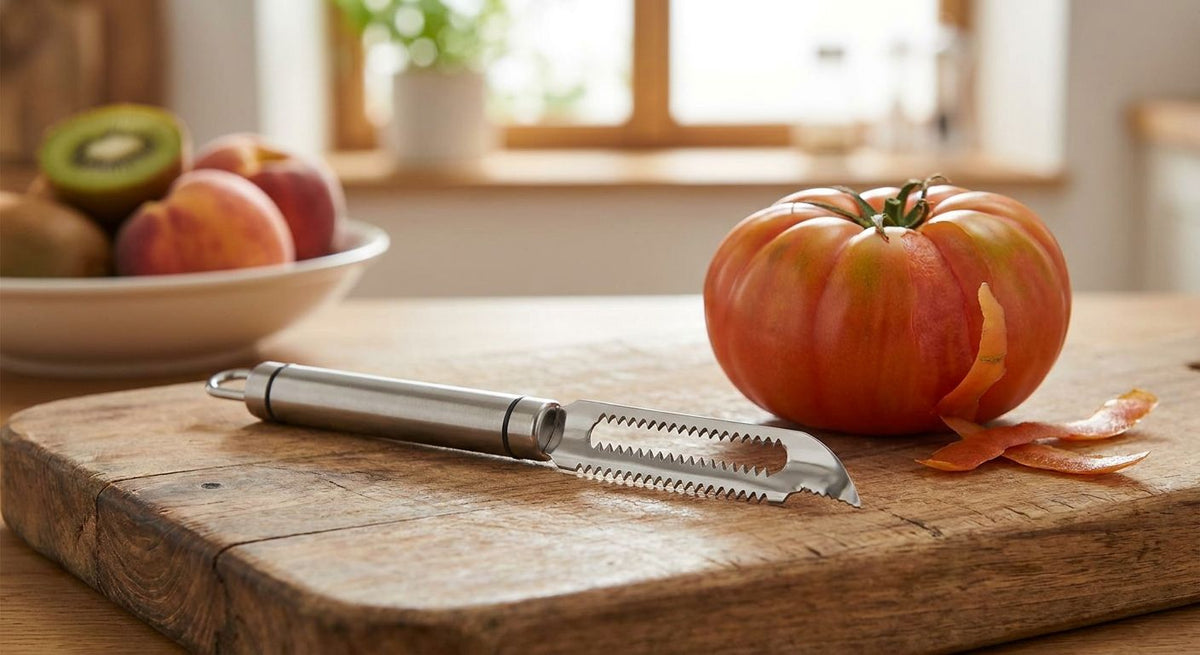
Superior Chef Flat Fine Slot Grater — the multitasker. Priced at $24.99, the fine slots pull ginger into a wet paste and do double duty on citrus zest or hard cheese, so it earns counter space beyond one ingredient. It's the pick if you want fewer single-purpose tools in the drawer. Verdict: Buy.
Superior Chef Flat Large Slot Grater — the wildcard. At $19.99, the larger holes shred instead of paste, which is actually what you want for coarse-textured stir-fries where you want to see the ginger, not dissolve it. It's not the right choice if paste consistency is your goal. Verdict: Consider.
Generic bargain cheese grater — the one to skip. Flat graters marketed for cheddar and parmesan have holes sized for cheese, not ginger fiber, and garlic residue lingers in the metal seams no matter how well you scrub. Verdict: Skip.


What to avoid
- Standard box graters bought for cheese. Ginger fiber wraps around the coarse teeth and comes out as string instead of paste, and you'll be picking it out with a toothpick.
- Garlic presses with a single narrow mesh disc. The same disc that crushes garlic cleanly clogs almost immediately once ginger fiber enters the mix.
- Non-stick coated microplanes. Garlic's acidity pits soft coatings faster than plain metal, and flaked coating ends up in your food over repeated use.
Verdict comparison table
| Tool | Best for | Tooth type | Price (2026) | Verdict |
|---|---|---|---|---|
| Superior Chef Jumbo Garlic and Ginger Press | Ginger and garlic paste, one squeeze | Deep-chamber press | $27.99 | Buy |
| Superior Chef Flat Fine Slot Grater | Ginger paste, zest, hard cheese | Fine punched slots | $24.99 | Buy |
| Superior Chef Flat Large Slot Grater | Coarse ginger and garlic texture | Large punched slots | $19.99 | Consider |
| Bargain cheese grater | Cheese only | Wide flat holes | Varies | Skip |
FAQ
What's the best grater for ginger and garlic in 2026?
The Superior Chef Jumbo Garlic and Ginger Press is the best pick for 2026 because its deep chamber handles both ingredients without clogging. It's the buy for anyone who cooks with fresh aromatics several times a week.
Is a microplane better than a garlic press for ginger?
A fine-slot grater produces a smoother paste from ginger than most presses because the etched teeth break down fiber more evenly. A press is faster if you only need a small amount at a time.
How do you keep ginger from getting stringy in a grater?
Peel the ginger first and grate against fine, sharp teeth rather than wide holes, which pull the fiber apart instead of pushing it through whole. Rinsing the grater between uses keeps the teeth from dulling with dried residue.
Can you use the same grater for garlic and parmesan?
You can, but garlic oil lingers in fine teeth and can carry over into the next food you grate. Many home cooks keep one grater for savory aromatics and a separate one for cheese.
Do you need to peel ginger before grating?
Young ginger with thin skin doesn't need peeling, but mature ginger with tougher skin grates more cleanly once peeled. Skipping the peel on older ginger tends to add bitterness to the paste.
How much does a good ginger garlic grater cost in 2026?
Expect to pay between $19.99 and $27.99 for a well-made grater or press in 2026, based on current PepperMate pricing. Cheaper bargain-bin options exist but clog faster and dull sooner.
Is a garlic press faster than a grater for garlic?
A press is faster for whole cloves because it crushes in one motion, while a grater takes a few passes but produces a finer, more even paste. Choose based on whether speed or texture matters more for your recipe.
What's the difference between a rasp grater and a flat slot grater?
A rasp-style grater has etched, razor-sharp teeth ideal for zest and ginger paste, while a flat slot grater uses punched holes better suited to cheese and coarser vegetables. Ginger and garlic favor the rasp style for a smoother result.
One last thing
Most home cooks reach for a garlic press first and a grater second, but the order should flip for ginger — grating breaks down the fiber that a press just squeezes past. Keep both a press and a fine-slot grater in the drawer in 2026 and you'll stop reaching for pre-minced jars altogether.