

A ginger garlic split press turns two of the most annoying prep tasks in the kitchen — peeling and mincing garlic, then fighting with fibrous ginger — into one squeeze. This guide walks through loading it, using it correctly, and cleaning it so pulp doesn't dry into cement between the holes.
- A ginger garlic split press minces both aromatics in one squeeze — buy a two-chamber head for 2026 kitchens.
- The Superior Chef Jumbo Garlic and Ginger Press handles unpeeled cloves; rinse it within 60 seconds of use.
- Dried garlic oil is the #1 reason presses get abandoned in a drawer — clean before the pulp sets.
- Pair fresh-pressed garlic and ginger with a coarse salt and pepper grind for rounded flavor, not raw bite.
Why this matters
Mincing garlic by knife takes 90 seconds and a cutting board you now have to wash. A ginger garlic split press does the same job in under 10 seconds, and it doesn't leave garlic smell baked into your board. The split design — two separate chambers, one for garlic, one for ginger — means you're not scrubbing ginger fiber out of garlic holes or vice versa.
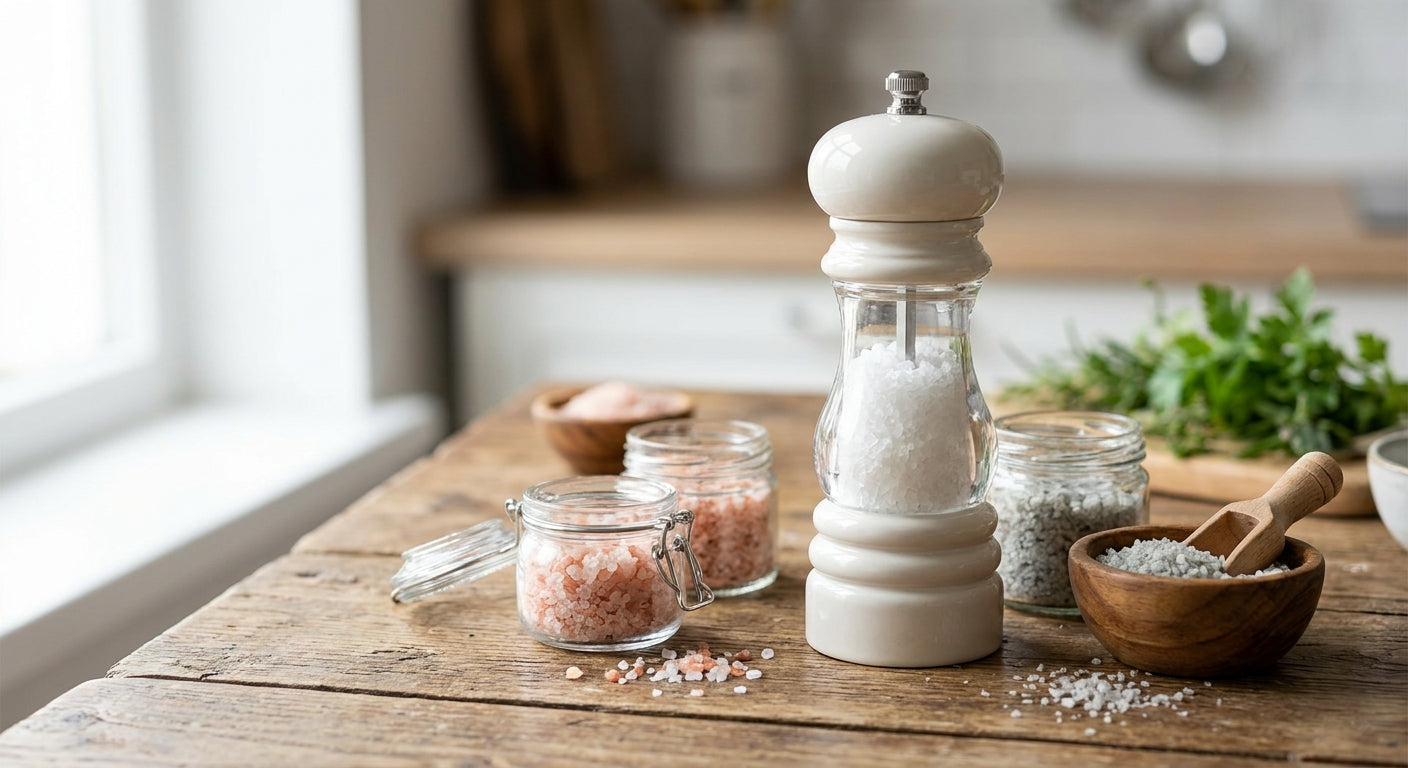
The catch: most people use these presses wrong. They don't peel enough, they let pulp dry on, or they skip the flip-and-scrape motion that actually clears the mesh. Get the technique right once and the tool earns its spot on the counter instead of getting shoved into a drawer, the same way a good traditional pepper mill earns counter space instead of getting replaced by a pre-ground shaker.
What you'll need
- A ginger garlic split press with separate chambers (unpeeled cloves work in most modern designs)
- Fresh garlic cloves, skin on or off depending on your press
- A knob of fresh ginger, cut into 1-inch chunks
- A small brush or old toothbrush for cleanup
- A bowl or the pan you're cooking in, positioned under the press
- Running hot water immediately after use
Check PepperMate for kitchen tools that pair with fresh aromatics — a garlic press does half the job, but a proper grinder finishes the dish.
The steps
1. Load one chamber at a time
Drop a single unpeeled garlic clove into the garlic-side chamber. Most split presses in 2026 are built to strip the skin off during the squeeze, so peeling first is optional and mostly just slows you down. Overloading the chamber with two or three cloves at once is the most common mistake — it forces more pressure than the hinge is rated for and shortens the tool's life.
2. Position the press over your target
Hold the press directly over the pan, bowl, or cutting board where the minced garlic needs to land. Pulp sprays a little on the first squeeze if the chamber isn't seated flush, so line it up before you press, not after.
3. Squeeze with full-hand pressure, not fingers
Use your whole palm to close the handles in one steady motion rather than pumping it. A single firm squeeze pushes the clove through the mesh cleanly; multiple half-squeezes just smear it and waste effort. Expect the clove to fully clear the mesh in one pass on a press with sharp, unclogged holes.
4. Switch chambers for ginger
Cut the ginger chunk to roughly the size of a garlic clove — too big and it won't clear the mesh, too small and you lose grip leverage. Load it into the dedicated ginger chamber (never the garlic side; the fiber will clog garlic holes permanently over time) and repeat the same full-palm squeeze.
5. Scrape the underside before it dries
Flip the press over and use the built-in scraper, or a butter knife if yours doesn't have one, to clear any pulp stuck on the mesh's underside. This step gets skipped constantly, and it's the single biggest reason presses jam on the next use.
6. Rinse within 60 seconds
Run the press under hot water immediately, working the hinge open and closed under the stream. Garlic oil hardens fast — wait more than a few minutes and you're looking at a 10-minute scrub with a brush instead of a 15-second rinse.
7. Dry and store open
Shake off excess water and leave the press open, not latched shut, so no moisture sits trapped in the mesh overnight. Closed storage in a damp drawer is how these tools start smelling permanently like old garlic.


Troubleshooting
- Garlic skin gets stuck in the mesh — you loaded a clove that was too dry or old. Fresh, firm cloves press clean; shriveled ones leave skin fragments behind.
- Ginger fiber clogs the holes — you cut the chunk too small or the ginger was too woody. Use younger ginger and cut chunks closer to the size of a full garlic clove.
- Handles feel stiff after a few uses — dried garlic oil has built up in the hinge. Soak the press in hot water for five minutes, then work the hinge open and closed under the tap.
- Pulp keeps spraying sideways — the chamber isn't seated flush before you squeeze. Press the two halves together fully before applying pressure.
- Lingering garlic smell on your hands — rub hands with stainless steel (a spoon works) under cold water for 30 seconds before washing with soap; it neutralizes the sulfur compounds.
- Press feels harder to close over time — the hinge pin needs a drop of food-safe oil, or the mesh holes are permanently clogged and it's time to replace the unit.
Tools and resources
- A ginger garlic split press with separate chambers, unpeeled-clove compatible
- Small cleaning brush for the mesh
- Salt, pepper and garlic blend for finishing dishes after mincing
- A pepper mill for the final seasoning pass once your aromatics are cooked into the dish
- Hot running water — the single most important "tool" for keeping the press usable long-term
What to do next
Once you've got fresh garlic and ginger built into your prep routine, the next upgrade is fresh-ground pepper on the same dish. Pre-ground pepper loses its aromatic oils within weeks of grinding at the factory; a mill grinding at the table keeps that punch intact through 2026 and beyond, the same way a fresh squeeze from the press beats jarred minced garlic.
FAQ
What is a ginger garlic split press used for?
A ginger garlic split press minces garlic cloves and ginger chunks in separate chambers with one squeeze, skipping the knife and cutting board entirely. It works on unpeeled garlic in most 2026 models, saving the peeling step too.
Do you need to peel garlic before using a split press?
No, most modern split presses strip the skin during the squeeze itself. Peeling first is optional and mostly just adds a step without improving the result.
How do you clean a ginger garlic press without scrubbing forever?
Rinse it under hot water within 60 seconds of use, working the hinge open and closed under the stream. Wait longer than a few minutes and dried garlic oil turns cleanup into a 10-minute job with a brush.
Can you use the same chamber for garlic and ginger?
No, use the dedicated chamber for each. Ginger fiber clogs garlic-side mesh permanently over repeated use, so keep the two separate.
Why does garlic smell stay on my hands after using a press?
Garlic's sulfur compounds bind to skin oils and plain soap doesn't fully break them down. Rubbing hands against stainless steel under cold water for 30 seconds neutralizes most of the smell before washing.
Is a ginger garlic split press better than mincing by knife?
For speed, yes — a press clears a clove in under 10 seconds versus roughly 90 seconds by knife, with no cutting board to wash afterward. For texture control in dishes like a rough garlic confit, a knife still wins.
What size ginger chunk works best in a split press?
Cut ginger to roughly the size of a single garlic clove, about 1 inch. Chunks too small lose grip leverage and chunks too large won't clear the mesh cleanly.
How often should you replace a garlic and ginger press?
Replace it once the hinge stays stiff after oiling and cleaning, or once the mesh holes are visibly clogged beyond what a brush can clear. A well-maintained press typically lasts years before either happens.
One last thing
The scraper step gets skipped more than any other in this guide, and it's the one that decides whether your press lasts one season or five. A press that's flipped and scraped clean after every use in 2026 will still close smoothly in 2028; one that's rinsed and shoved in a drawer starts sticking within a few months.