

The best cutting board for charcuterie serving in 2026 does two jobs at once: it holds a full spread of meat, cheese, and crackers without crowding, and it looks good enough to bring straight to the table. The PepperMate Walnut Hardwood Cutting Board wins for everyday charcuterie serving, a marble slab wins for cheese-forward boards that need to stay cool, and a large acacia board wins for feeding a crowd.
- PepperMate Walnut Hardwood Cutting Board (11x17x1, $49.99) is the best overall cutting board for charcuterie in 2026.
- Marble slabs win for cheese-heavy boards because the stone stays cool and keeps soft cheese firm longer.
- Slate boards win for labeled, photo-ready presentations you can write on with chalk.
- Large acacia boards win for parties of 8 or more where surface area matters more than portability.
- Bamboo boards are the budget pick but dull knife edges faster and warp sooner near liquid.
Why this matters
A charcuterie board that's too small pushes prosciutto onto the tablecloth and turns a cheese knife into a hazard. A board that's the wrong material either bleeds juice everywhere or scratches every time you slice soft cheese.
Material and size decide whether the board actually works for serving, not just for looks in a photo. Wood with a juice groove contains drips from cured meats and melon; stone stays cooler for longer on a warm 2026 patio dinner; a board that's too light slides around under a full spread.
A quick primer on oiling a wood cutting board matters here too, because the wrong care routine cracks even a well-built board within a season.
What makes the best cutting board for charcuterie
- Surface area — enough real estate for meat, cheese, crackers, and a few garnishes without stacking
- Juice groove or moat — contains drips from cured meats, olives, and soft cheese
- Non-porous or well-sealed surface — resists staining from beet-cured salami and red wine
- Weight and grip — heavy enough to stay put on a table, not so heavy it's awkward to carry
- Knife-friendliness — a surface that doesn't dull your good knife after a few uses
- Easy cleanup — hand-wash and dry in minutes, no dishwasher warping
At a glance
| Board | Best for | Standout feature | Starting price | Key limitation |
|---|---|---|---|---|
| PepperMate Walnut Hardwood Cutting Board | Everyday charcuterie serving | Juice groove on a thick 11x17x1 walnut deck | $49.99 | Not built for daily heavy chopping duty |
| Marble slab | Cheese-forward boards | Stays cool, keeps soft cheese firm | Varies by retailer | Heavy and can chip at the edges |
| Slate board | Labeled, rustic presentation | Chalk-writable dark surface | Varies by retailer | Can scratch and shows fingerprints |
| Large acacia board | Feeding a crowd | Wide surface, naturally moisture-resistant wood | Varies by retailer | Bulky to store between uses |
| Bamboo board | Budget or travel serving | Lightweight, renewable material | Varies by retailer | Dulls knives faster, warps near liquid |
1. PepperMate Walnut Hardwood Cutting Board: best cutting board for everyday charcuterie serving
The PepperMate Walnut Hardwood Cutting Board is an 11x17x1-inch walnut board built with a juice groove that runs the perimeter, so drips from cured meats and sliced fruit stay off the table. It's thick enough to sit flat and stable under a full spread rather than rocking when you press a knife through firm cheese.
PepperMate walnut board pros:
- Juice groove keeps meat and cheese drips contained during service
- Thick, stable deck doesn't wobble under a loaded charcuterie spread
- Walnut hardwood resists staining better than softer woods
PepperMate walnut board cons:
- At 11x17 inches, it's sized for a household board, not a party-of-twelve spread
- Wood needs periodic oiling to stay sealed against wine and cured-meat oils
PepperMate walnut board pricing: $49.99 for the medium 11x17x1 board.
Best for: home cooks who want one board that handles a Friday-night charcuterie board and doubles as a prep surface. Verdict: Buy.
2. Marble slab: best cutting board for cheese-forward boards
A marble slab is a stone surface, not technically a cutting board — most cheese boards use it as a serving base rather than a chopping surface. Marble's natural coolness keeps soft cheeses like brie firm through a long dinner instead of sliding into a puddle after 20 minutes on a countertop.
Marble slab pros:
- Stays noticeably cooler than wood, which slows soft cheese from softening too fast
- Non-porous surface won't absorb wine stains or cheese oils
- Reads as a premium presentation for photos
Marble slab cons:
- Heavy to lift and awkward to carry to the table one-handed
- Edges chip if dropped or knocked against a counter
- Not ideal as an actual cutting surface — it dulls knives fast
Best for: cheese plates and dessert boards where temperature control matters more than chopping. Verdict: Buy if cheese is the star of the board.
3. Slate board: best cutting board for labeled, rustic presentations
Slate boards give a dark, matte background that makes cured meats and bright fruit pop visually, and the surface takes chalk labels well — useful when guests need to know what's what on a mixed board.
Slate board pros:
- Chalk-writable surface for labeling cheeses and meats
- Dark background photographs well for social posts
- Naturally non-porous, resists staining
Slate board cons:
- Shows fingerprints and water spots more than wood or marble
- Can scratch with repeated knife contact
Best for: hosts who want a rustic, labeled cheese-and-charcuterie display. Verdict: Hold unless the labeling feature specifically matters to you.
4. Large acacia wood board: best cutting board for feeding a crowd
Acacia is a dense, naturally oily hardwood that resists moisture better than most budget woods, which is why it shows up often in oversized serving boards built for parties rather than daily prep.
Large acacia board pros:
- Generous surface area fits a full spread for 8-plus guests
- Naturally moisture-resistant compared to softer woods
- Often comes with built-in handles for carrying a loaded board
Large acacia board cons:
- Takes up real storage space between uses
- Heavier and bulkier than a standard walnut or bamboo board
Best for: holiday gatherings and 2026 game-day spreads where surface area beats everything else. Verdict: Buy if you regularly host large groups.
5. Bamboo board: best cutting board for budget or travel serving
Bamboo is a fast-growing, renewable material, which keeps bamboo boards priced lower than hardwood or stone options. It's light enough to toss in a bag for a picnic or potluck charcuterie run.
Bamboo board pros:
- Lightest option on this list, easy to transport
- Generally the most affordable material category
- Renewable resource compared to slow-growing hardwoods
Bamboo board cons:
- Harder on knife edges over time than walnut or acacia
- More prone to warping when exposed to liquid-heavy boards
Best for: potlucks, picnics, and anyone who wants a board they're not precious about. Verdict: Wait if you already own a hardwood board — buy this only as a second, travel-only option.
“If the board can't hold a pound of meat and cheese without crowding, it's not a charcuterie board, it's a snack plate.”
How we ranked
Each board on this list was weighed against the six criteria above: surface area, juice groove, staining resistance, weight and grip, knife-friendliness, and cleanup. The PepperMate Walnut Hardwood Cutting Board ranks first because it's the only option here that combines a juice groove with a stable, knife-friendly wood surface at a stated 2026 price. Marble and slate rank for presentation-heavy use cases where they're serving surfaces more than cutting surfaces. Acacia and bamboo split the wood category by size versus budget.
Which cutting board should you choose?
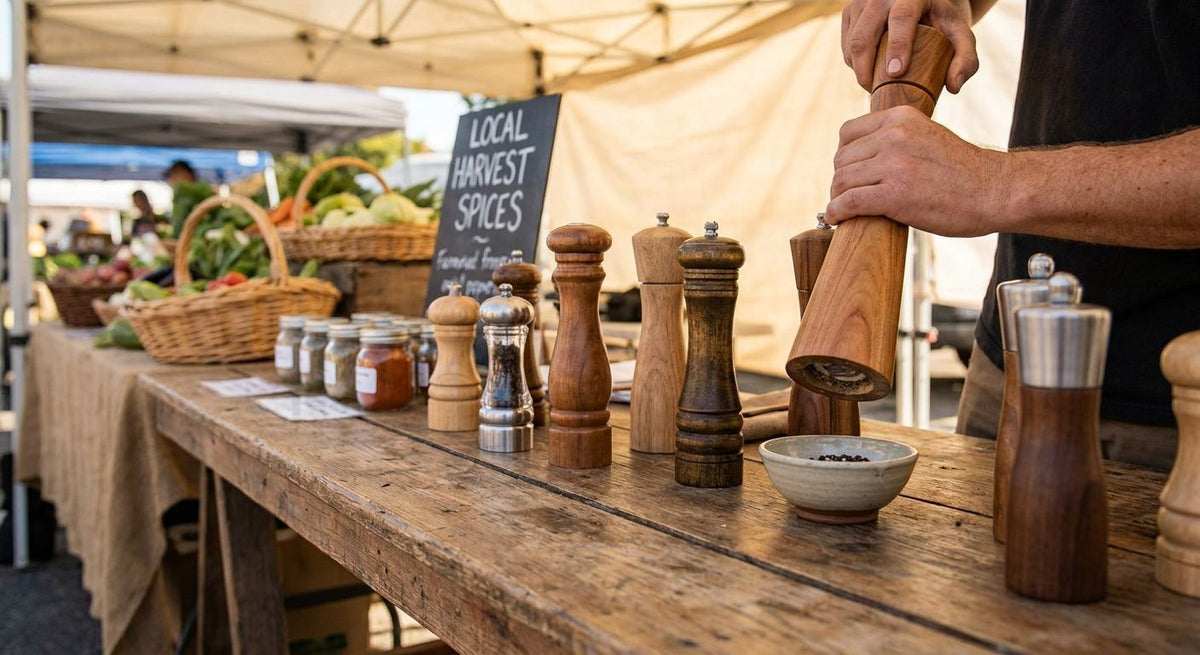
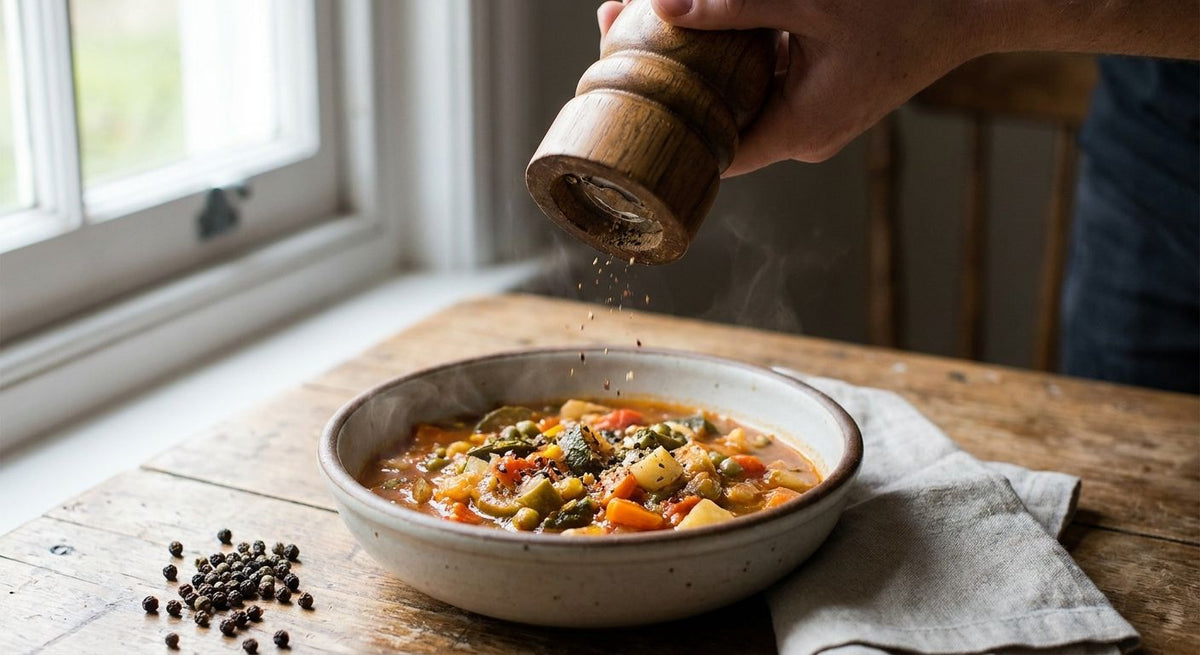
For most home cooks setting up a weekend charcuterie board in 2026, the PepperMate Walnut Hardwood Cutting Board is the default pick — the juice groove alone solves the biggest mess problem with meat-and-cheese boards. Add a marble slab if cheese is the centerpiece of your spread, or size up to a large acacia board once your guest list crosses eight people. Once the board is set, finish the plate the way most charcuterie spreads call for: fresh cracked pepper over soft cheese and cured meats from a PepperMate Traditional Pepper Mill does more for flavor than pre-ground pepper from a shaker.
FAQ
What is the best cutting board for charcuterie in 2026?
The PepperMate Walnut Hardwood Cutting Board is the best all-around cutting board for charcuterie in 2026 because its juice groove contains drips from cured meat and cheese on an 11x17x1-inch surface. Marble and slate are better choices when the board is purely for cheese display rather than cutting.
Is marble or wood better for a charcuterie board?
Wood is better for actual cutting and serves both prep and presentation; marble is better purely for keeping soft cheese cool during a long dinner. Most home cooks use wood as the base board and marble as a smaller cheese-only accent.
How big should a cutting board be for charcuterie serving?
An 11x17-inch board comfortably fits a spread for 4-6 people; anything larger than that is better served by an oversized acacia board built for parties of 8 or more. Size the board to your guest count, not the other way around.
Does a charcuterie board need a juice groove?
A juice groove isn't required, but it keeps meat drippings and melon juice from running off the board onto the table. Boards without a groove work fine for dry items like crackers and hard cheese.
Can you cut on a marble or slate board?
You can, but both dull knife edges faster than wood and aren't built for repeated chopping. Use marble and slate as presentation surfaces and keep the actual slicing on a wood board.
How do you clean a wood cutting board used for charcuterie?
Hand-wash with warm water and mild soap immediately after use, then dry standing up to avoid warping. Periodic oiling keeps the wood sealed against oils from cured meat and red wine stains.
What's the difference between acacia and bamboo cutting boards?
Acacia is a denser, naturally moisture-resistant hardwood suited to large party boards, while bamboo is lighter and cheaper but wears down knife edges faster. Choose acacia for size and durability, bamboo for portability and budget.
One last thing
The detail most people skip: season matters as much as the board itself. A marble slab that feels great holding cheese cool on a warm 2026 patio night turns uncomfortably cold and slick in a chilled kitchen in winter, when a walnut board holds room temperature better and grips a knife more predictably.