

Berbere spice blend turns a weeknight stew into something that tastes like it simmered all day in Addis Ababa. This guide breaks down what a good Ethiopian-style berbere should contain, which PepperMate picks earn a spot in your spice drawer, and what to skip if you want the real depth instead of a one-note heat bomb.
- PepperMate's Berbere Spice Blend-2 OZ delivers the fenugreek-and-chili depth Ethiopian cooking needs at $9.99 - Buy.
- Ras El Hanout of Morocco is the milder cousin worth stocking alongside your berbere spice blend for 2026 cooking.
- Skip bulk-bin berbere with anti-caking fillers - the ingredient list should read like a spice cabinet, not a lab report.
- The Coarse Salt, Pepper & Garlic Blend works as a base layer under berbere for stews and roasted vegetables.
Why this matters
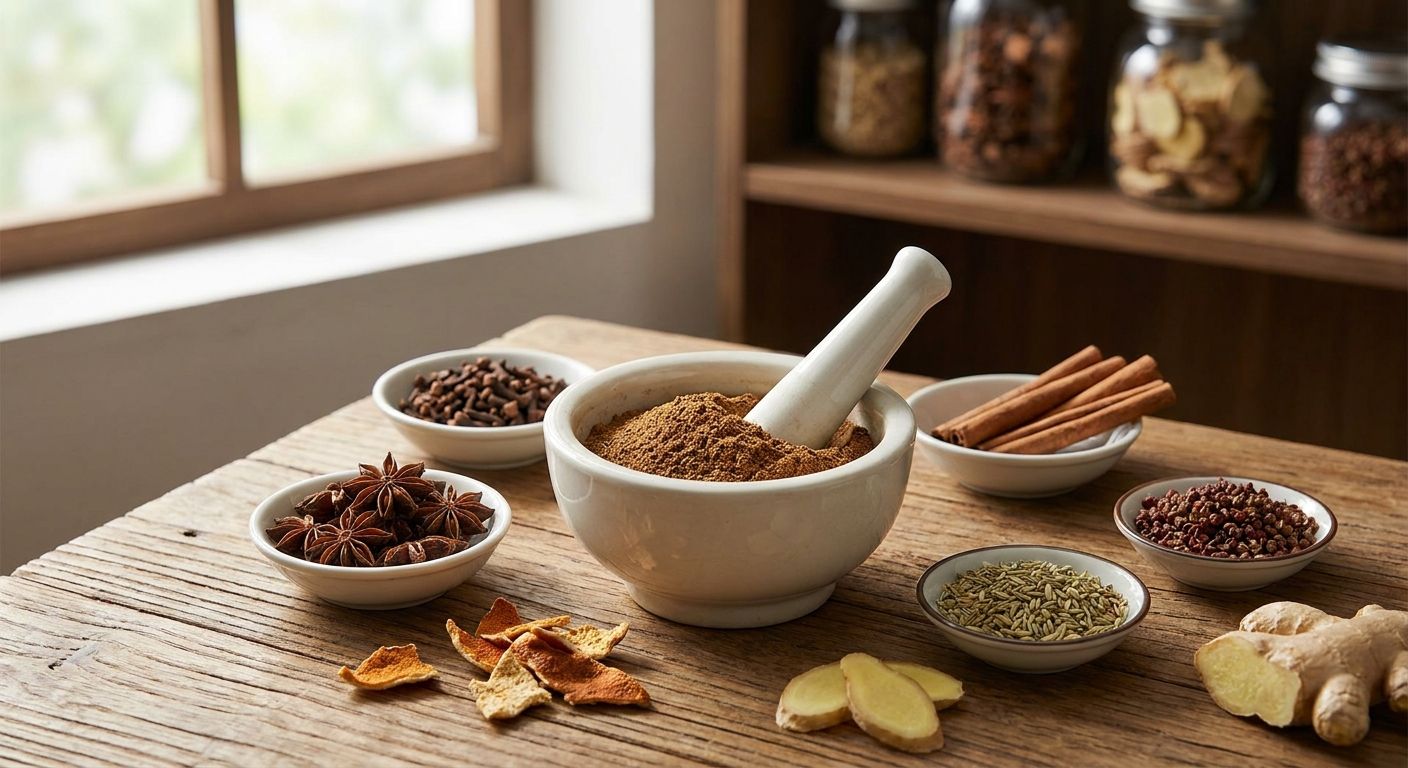
Berbere isn't paprika with attitude. A real Ethiopian berbere blend layers fenugreek, cardamom, ginger, cloves, and a specific chili ratio that builds heat slowly instead of front-loading it. Get a bad batch and your doro wat tastes flat no matter how long it braises.
Search interest for berbere spice blend is real and growing heading into 2026, but most of what shows up on grocery shelves is a generic "African spice" mashup with more filler than flavor. A traditional pepper mill loaded with fresh peppercorns does more heavy lifting in an Ethiopian-inspired dish than people expect - berbere brings the chili complexity, freshly cracked pepper brings the sharpness that ties the whole plate together.
Who this is for
This guide is for the home cook who wants to make injera-friendly stews, spiced lentils, or roasted chicken with actual Ethiopian flavor instead of a supermarket substitute. You've probably had berbere at a restaurant, loved it, and got home to find your pantry has nothing close. You're not trying to become an expert in East African cuisine overnight - you just want one blend that tastes right and a couple of backups that pair well with it.
What to look for in a berbere spice blend for Ethiopian-inspired dishes
Chili ratio, not just heat level
Berbere's heat should build, not slam. A blend heavy on cayenne alone tastes sharp and one-dimensional; a proper mix balances chili with fenugreek and ginger so the heat rounds out instead of stinging. If the ingredient list lists a single pepper variety first with nothing else for balance, that's a red flag.
Whether salt is added or left out
Some berbere blends come pre-salted, which limits how you can layer it into a recipe that already calls for salt elsewhere. A salt-free or lightly salted blend gives you control, especially if you're building a stew from scratch and want to season in stages.
Freshness and grind date
Ground spice blends lose aromatic oils fast - within months, not years, once opened. Look for a 2 oz or smaller jar size if you cook Ethiopian food occasionally, since a big bulk container will go stale before you finish it.
Ingredient depth beyond chili
Authentic berbere includes cardamom, coriander, cloves, and often a touch of cinnamon. If the label only lists three or four spices, you're getting a simplified version that won't carry a proper doro wat or misir wot.
Versatility past the obvious dishes
A good berbere spice blend earns its shelf space by working on more than stew. Rubbed on roasted chicken thighs, stirred into scrambled eggs, or mixed into a marinade before grilling, it should pull double duty in your regular rotation, not just your "special occasion" cooking.
Packaging that keeps oils intact
Glass or foil-lined jars protect volatile oils better than thin plastic bags. If a blend has been sitting in clear plastic on a shelf for who knows how long, the flavor has likely already faded.
Top picks for Ethiopian-inspired cooking
PepperMate Berbere Spice Blend-2 OZ - the authentic pick. This blend traces its lineage to trade routes that connected the Horn of Africa with Egypt, Arabia, Persia, and India as far back as the 5th century, and it shows in the ingredient complexity. At $9.99 for a 2 oz jar, it's sized right for regular use before it loses potency. Verdict: Buy if you want a berbere that actually tastes like the version you had at a restaurant.
Ras El Hanout of Morocco - the milder cousin. Ras El Hanout shares some of berbere's warmth - cardamom, cinnamon, ginger - without the same chili intensity, making it a smart pairing if you're cooking for guests who want flavor without heat. Keep both jars on the same shelf and use ras el hanout on couscous or roasted carrots while berbere handles the stews. Verdict: Buy as a companion, not a substitute.
Coarse Salt, Pepper & Garlic Blend - the build-your-own base. This coarse salt and pepper blend at $34.99 works underneath berbere rather than instead of it - season your protein with this first, then finish with berbere for the layered flavor Ethiopian cooking is known for. Verdict: Consider if you cook in volume and want a pantry staple that stretches across cuisines, not just Ethiopian dishes.
The Backyard Barbeque Spice Gift Set - the explorer's pick. At $74.99, this 22-spice grilling and cooking gift set bundles global rubs together, which is a reasonable way to try berbere-adjacent flavors alongside Cajun, Moroccan, and Italian blends before committing to a full pantry rebuild. Verdict: Consider for gifting or for a cook who wants variety over depth in any single cuisine.
Moroccan Blend (Salt & Sugar Free) - the milder North African option. At $14.99, this salt-free blend leans into cumin and warm spice notes without berbere's chili kick. It's a good on-ramp if a household member finds berbere too spicy but still wants North African flavor on the table. Verdict: Consider as a mild-heat alternative, Skip if you're specifically chasing Ethiopian heat and depth.


What to avoid
- Bulk-bin "African spice" blends with anti-caking fillers listed above the third spice. If silicon dioxide or rice flour shows up early on the label, you're paying for filler, not flavor.
- Single-note chili powder relabeled as berbere. Real berbere has at least six to eight components - if the jar only lists paprika, cayenne, and salt, it's not doing what an Ethiopian dish needs.
- Pre-salted blends when you're already seasoning a braise heavily. Double-salting a long-cooked stew is an easy way to ruin a dish you spent an hour on.
Verdict comparison
| Pick | Heat Level | Best For | Price | Verdict |
|---|---|---|---|---|
| Berbere Spice Blend-2 OZ | Medium-high, layered | Doro wat, lentil stews | $9.99 | Buy |
| Ras El Hanout of Morocco | Low-medium | Couscous, roasted vegetables | Not listed | Buy |
| Coarse Salt, Pepper & Garlic Blend | None (base seasoning) | Pre-seasoning protein | $34.99 | Consider |
| Backyard Barbeque Spice Gift Set | Varies by blend | Trying multiple global rubs | $74.99 | Consider |
| Moroccan Blend | Low | Milder North African dishes | $14.99 | Consider |
FAQ
What is berbere spice blend made of?
A traditional berbere spice blend includes chili peppers, fenugreek, cardamom, coriander, ginger, and cloves, sometimes with cinnamon. The exact ratio of chili to warming spices is what separates a deep, layered berbere from a flat, one-note hot pepper mix.
Is berbere spice blend very spicy?
Berbere carries real heat, but a well-balanced blend rounds the chili out with fenugreek and ginger so it builds gradually rather than hitting all at once. If a berbere tastes only sharp and hot with no depth, it's missing the supporting spices.
What's the difference between berbere and ras el hanout?
Berbere leans hotter and is built around chili as the dominant flavor, while ras el hanout is a milder North African blend centered on warm spices like cinnamon and cumin. Both work in the same pantry - berbere for stews, ras el hanout for couscous and roasted vegetables.
What dishes use berbere spice blend?
Berbere is the backbone of doro wat (Ethiopian chicken stew) and misir wot (spiced lentils), but it also works rubbed on roasted chicken, stirred into scrambled eggs, or mixed into a marinade before grilling. A 2 oz jar covers several months of regular use in 2026-style weeknight cooking.
Can I substitute berbere in a recipe that calls for another spice blend?
Berbere can stand in for a Cajun or chili blend in a pinch, since it brings similar heat with more complexity, but it will add fenugreek and cardamom notes that change the dish's character. Start with half the amount called for and adjust to taste.
How long does an opened berbere spice blend stay fresh?
An opened berbere blend holds peak flavor for roughly three to six months if kept sealed and away from heat. A smaller 2 oz jar is sized to get used up before the aromatic oils fade, which is why size matters more than most cooks realize.
Where can I buy an authentic berbere spice blend?
Look for a blend with at least six named spices on the label, not just chili and salt, and check that it's packaged in a way that protects it from light and air. PepperMate's Berbere Spice Blend-2 OZ lists its full spice lineup rather than hiding behind a generic "seasoning blend" label.
Does berbere spice blend contain salt?
Some berbere blends are pre-salted and some aren't, so check the label before you season a dish that already calls for salt separately. A salt-free version gives you more control when building a layered stew from scratch.
One last thing
Berbere's spice lineup didn't come from one country - the blend reflects centuries of trade through Egypt, Somalia, Arabia, Persia, India, and Java going back to the 5th century, which is why it tastes more layered than almost any other single-pot spice mix in a home kitchen. That history is also why a shortcut version with three ingredients never quite lands the same way; you're not missing technique, you're missing spices that took centuries to end up in the same jar.